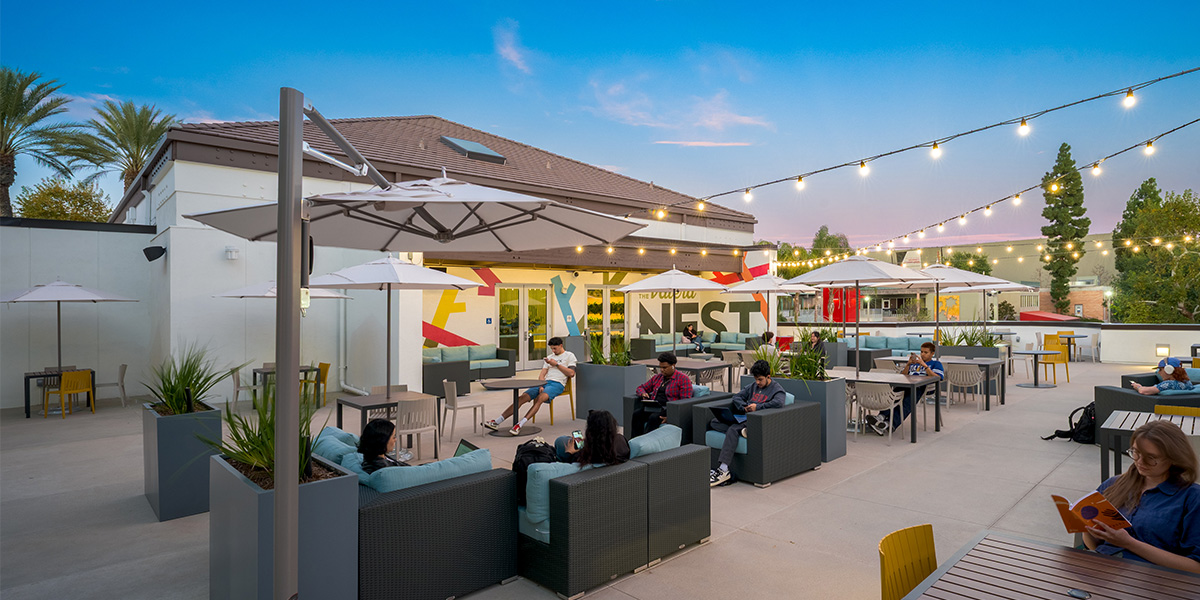
Built by Listening: How Student Voices Shaped The Valera NEST
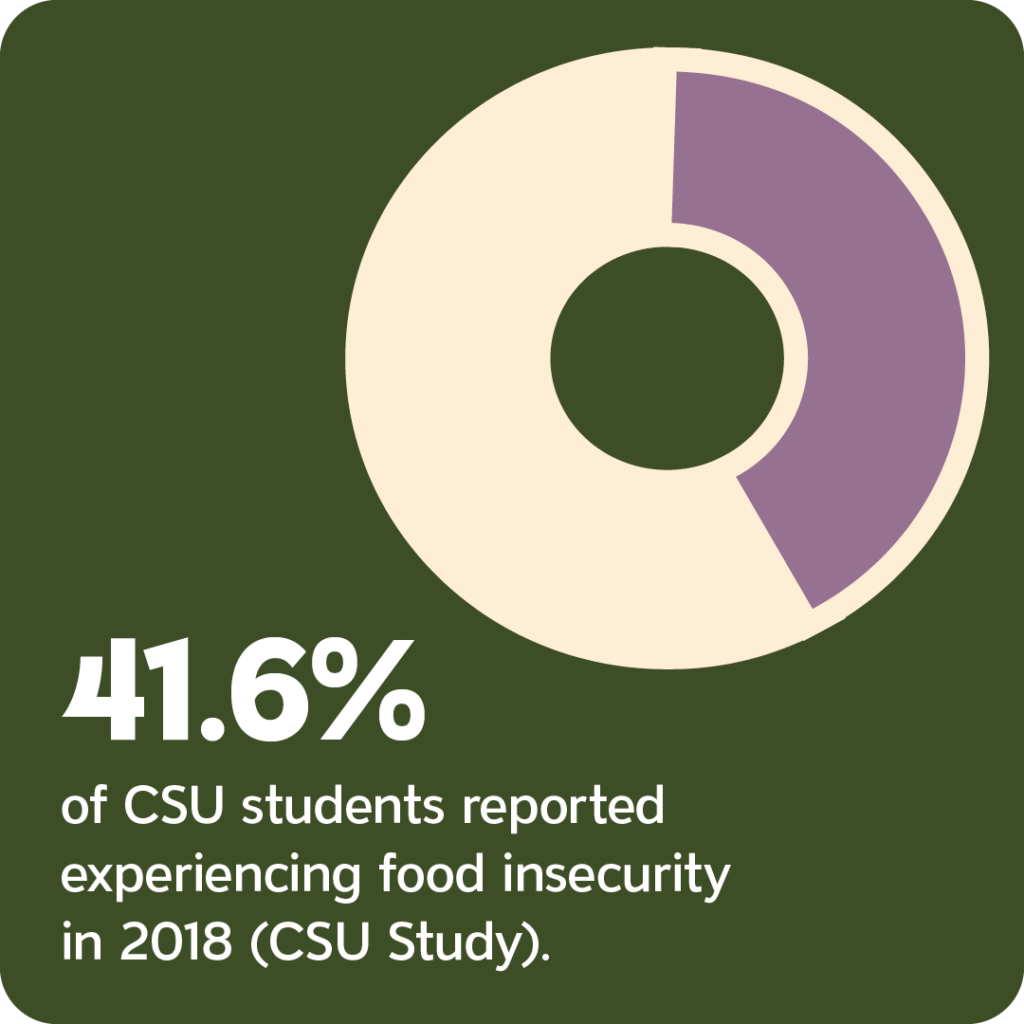
For too many students, pursuing an education also means wondering whether they will have enough to eat, a safe place to live or what they need to take their next step forward. A 2018 CSU study found that 41.6% of students experienced food insecurity, yet embarrassment and uncertainty can still make support feel out of reach.
Students envisioned something different.
When asked what would make basic needs resources easier to use, 63% of respondents said they would be more likely to seek support if services were brought together in one location. One in two students expressed interest in a place to store and prepare food.
Their voices became the foundation for The Valera NEST.
Before The Valera NEST opened its doors, students had already helped determine what would be waiting on the other side. Through research, surveys, conversations, voting and campus engagement, their voices shaped a space rooted in dignity, belonging and the belief that every Matador deserves the support they need to thrive.
A Place Students Helped Cultivate
The Valera NEST began with a fundamental question: What would a new student-centered facility look and feel like if it were shaped by the people it was intended to serve?
The University Student Union (USU) invited students to help answer that question at every turning point. Their experiences demonstrated the need for centralized resources. Their feedback informed priorities for the environment. Their reflections gave the facility its identity. Their preferences created an evidence base for programming and access planning. Their words became part of a cultural wall designed to reflect the many communities that call CSUN home.
Staff, faculty, campus departments and cultural partners strengthened this work by contributing their knowledge, verifying representation and helping carry a shared vision into daily operations.
What opened in spring 2026 was more than a new facility. It was listening made visible.
The Need Was Already Speaking
The Valera NEST’s story began before there was a name, a floor plan or a grand opening. It began with evidence that too many students were trying to persist in college while carrying the weight of unmet basic needs.
A 2018 CSU study found that 41.6% of students reported food insecurity and 10.9% reported experiencing homelessness at least once during the previous 12 months. The study also connected food insecurity and homelessness with lower academic achievement and poorer physical and mental well-being.
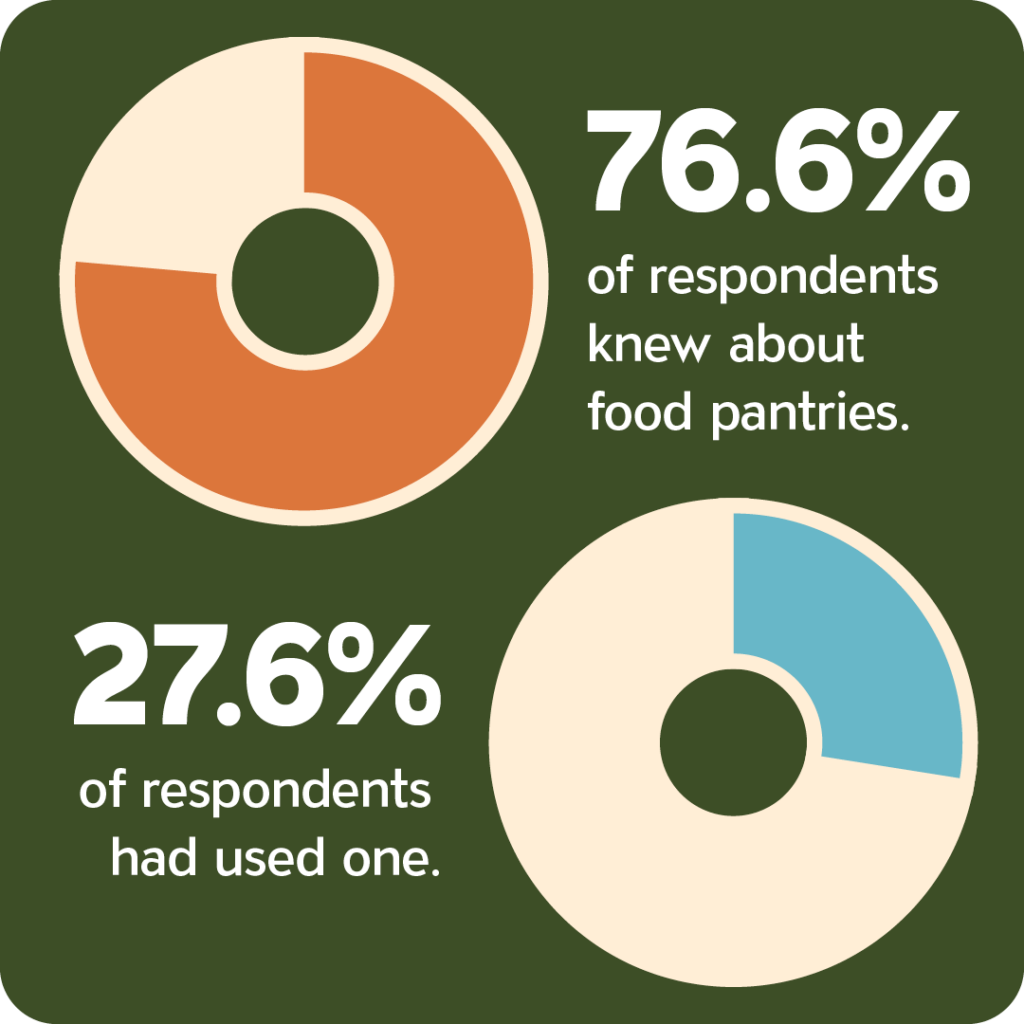
At CSUN, a 2019 – 2020 study revealed a painful gap between knowing that help exists and feeling able to use it. Although 76.6% of respondents knew about food pantries, only 27.6% had used one. More than half of the respondents experiencing the highest levels of food insecurity had not used the CSUN Food Pantry.
Students identified embarrassment and uncertainty about hours, location, and eligibility as barriers. Their responses made one truth unmistakable: offering resources is not enough if students cannot find them, understand them, or feel comfortable walking through the door.
From Evidence to a Shared Vision
Student feedback helped the project team look beyond the services students need and consider how accessing those services should feel.
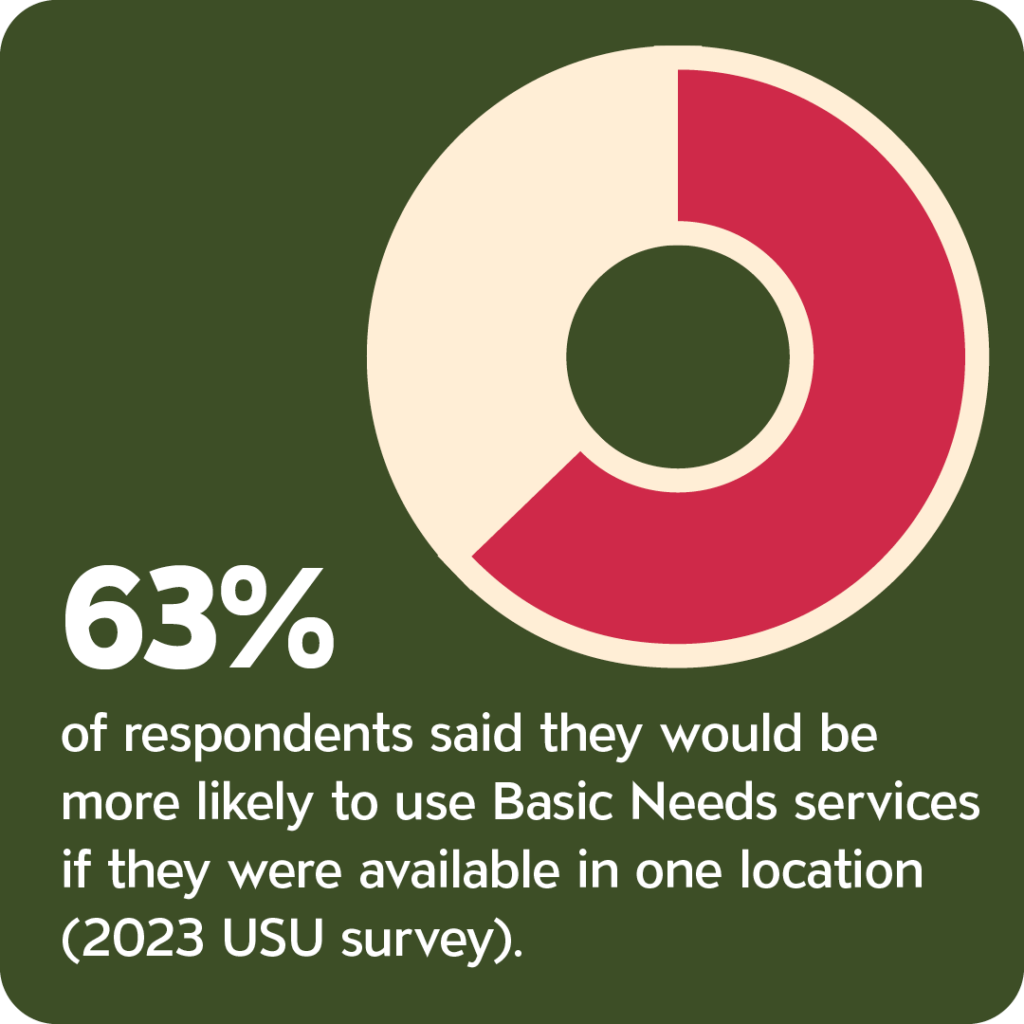
Project survey findings indicated that 63% of respondents would be more likely to use basic needs resources if they were available in one location and one in two students expressed interest in storing and preparing food brought from home or purchased on campus.
Those preferences helped shape The Valera NEST into a place where support is woven into daily life. Centralized resources make assistance easier to navigate, while food storage, meal preparation areas and access to professional clothing respond to the realities students carry throughout a full day on campus.
The evidence did more than justify a building. It asked the project team to imagine the student experience on the other side of every decision:
What would support look like if students did not have to carry food across campus for hours?
How could The Valera NEST make it easier to prepare a meal between classes or find professional clothing?
What would it feel like to ask for help and know you belonged?

Students Gave the Space Its Identity
As that vision began shaping a tangible environment, students were invited to help define what the new space would represent.
The spring 2023 Experience the Heart of Campus: Feel the Pulse campaign created multiple opportunities for participation through a showcase, focus groups, a campus-wide survey, pop-up booths, a scavenger hunt and student project champions. The spring 2024 Set the Table, Build the Future campaign expanded engagement through tabling, street teams, classroom presentations and presentations throughout the USU.
When it was time to name the Basic Needs Suite, the USU began with students’ lived experiences. They were asked what it would feel like to have their basic needs fulfilled, how unmet needs affected their daily lives and how campus support influenced their sense of community.
Their responses spoke of relief, hope, comfort, security, stability, empowerment and the freedom to focus on academic success. One student described having “a massive weight” lifted from their chest. Another wrote three simple but powerful words:
“Success seems possible!”
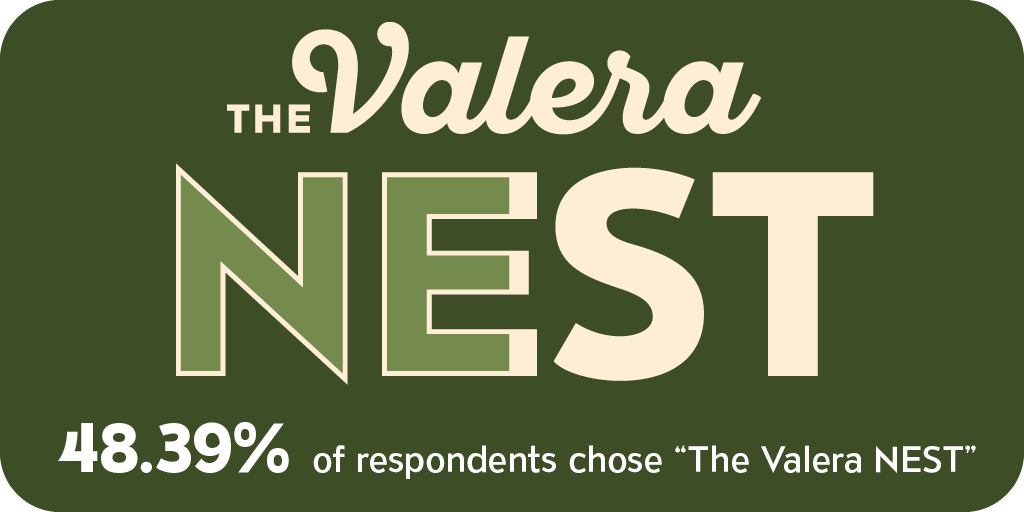
Those reflections became the foundation for a shortlist of names. In the final vote, The Valera NEST received 48.39% of selections, more than any other option.
The name carries its purpose within it: NEST stands for a Nurturing Environment for Students to Thrive. It was not simply placed on a finished project. It became a promise students helped define.
Students Imagined What Access Could Be
At various campus events, students were invited to imagine The Valera NEST as part of their everyday lives. Across several questions, they made 7,214 selections that revealed not only which services and programs interested them, but what meaningful access could look like.
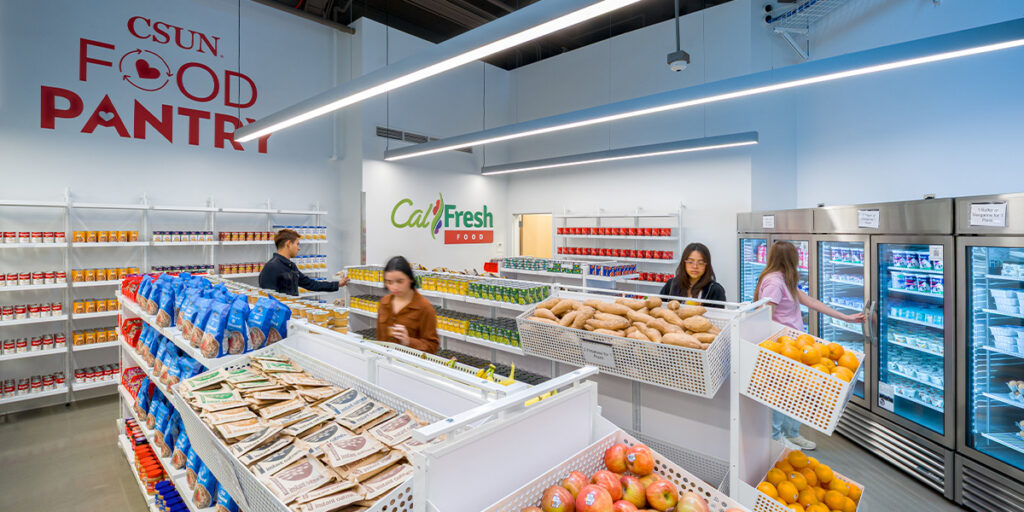
Their responses showed that access is not defined by location alone. It also depends on whether services are available when students need them. When asked which days they wanted the Food Pantry and Matty’s Closet to be open, students expressed strong interest in Friday service, with 737 selections for the Food Pantry and 275 for Matty’s Closet. Friday emerged as the leading preference for extended hours for both services.
Students also imagined The Valera NEST as a place where they could develop practical skills and greater confidence in caring for themselves. College cooking hacks received 524 selections, followed closely by meal prepping with 510.
Together, these findings gave the USU an evidence base for future decisions about access and programming. They gave students a voice before those decisions were made. Students were not merely asked to respond to a finished space. They were invited to communicate how The Valera NEST could work within their lives and better support their needs.
A Community Reflected with Care
Student, staff and faculty voices also shaped what people would see inside the facility.
The Thrive Cultural Wall was envisioned as more than a visual feature. It was an opportunity to surround students with language that reflects the diversity, resilience and spirit of the CSUN community.
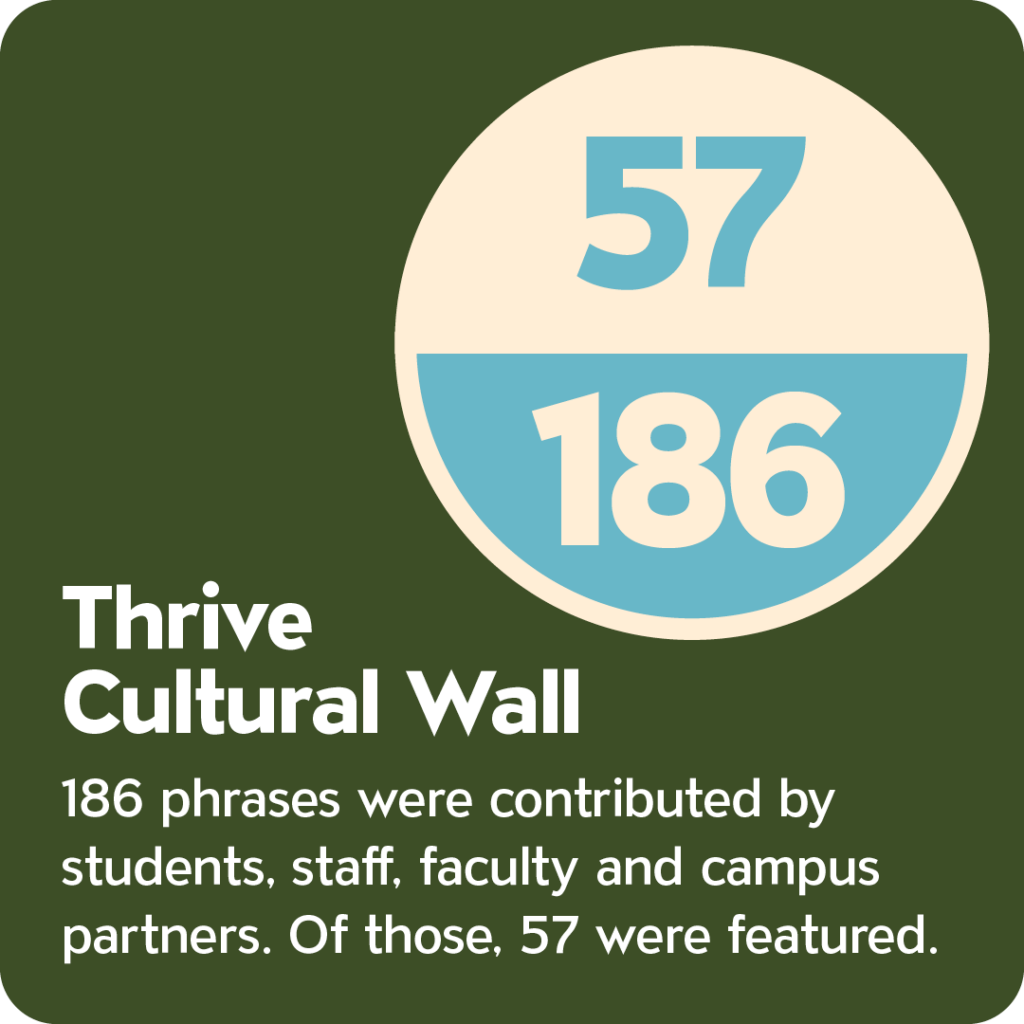
The USU helped coordinate the collection, review, and verification of community contributions. Together, students, staff and faculty contributed 186 inspirational phrases about identity, perseverance, welcome and possibility.
Inviting participation, however, was only the first responsibility. The team also needed to ensure that the communities represented on the wall were reflected thoughtfully and accurately.
The Office of Institutional Research and the International and Exchange Student Center helped identify the breadth of CSUN’s student population. Representatives from the Fernandeño Tataviam Band of Mission Indians and academic departments then reviewed phrases for accuracy and cultural integrity.
This process showed an important assessment principle: gathering many voices differs from representing people responsibly. Meaningful representation requires attention to whose voices are included, care in how language is interpreted and accountability in how identity is displayed.
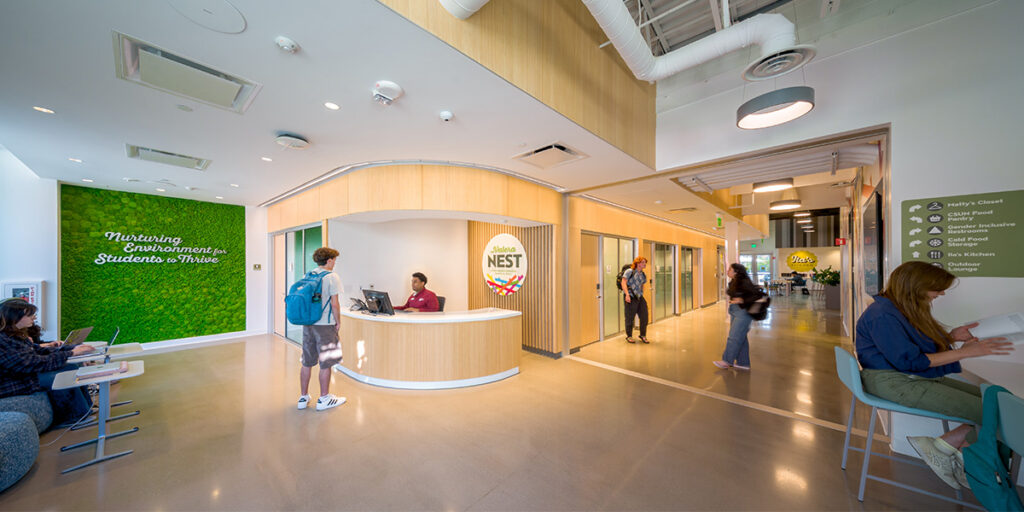
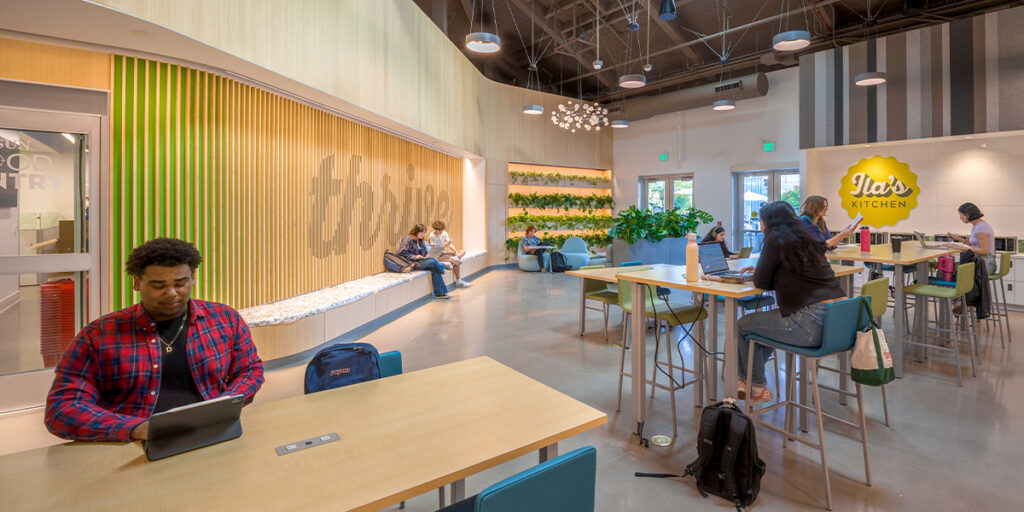
The results of that careful work now live in the physical environment. Through the Thrive Cultural Wall, students are surrounded by 57 phrases contributed by students, staff, faculty, and campus partners. These words intend to remind students that they belong, their experiences matter, and their futures are worth investing in. What’s more, the USU knows that as Matadors come and go, CSUN’s demographics will change, so students are invited to suggest corrections and additions through a feedback channel that ensures sense of belonging is nurtured both now and into the future throughout the facility.

Collaboration Turned Listening Into Action
The story did not end when the facility’s name, features or cultural wall were selected. A space intended to reduce barriers could not fulfill its purpose without operations designed to do the same. In early 2025, The Valera NEST Advisory Committee brought together the University Student Union, CSUN Basic Needs Office, CSUN Food Pantry, Matty’s Closet, the College of Health and Human Development and Associated Students.
Together, the Committee established a shared mission:
“The mission of The Valera NEST is to provide access to basic needs resources that promote equitable experiences for a vibrant and thriving Matador community.”
A RACI exercise clarified who was responsible, accountable, consulted and informed across operations, programming, marketing and promotion. The USU and project consultants Brailsford & Dunlavey translated those decisions into an operational playbook supporting onboarding and cross-departmental coordination. The USU also created a facility and guest services coordinator staff position for The Valera Nest and prepared the front desk team to help students navigate available resources.
Together, these actions transformed listening into service. Clear information, consistent support and shared responsibility gave the shared vision a structure capable of carrying it into daily practice.
Opening the Doors to the Next Chapter
The Valera NEST opened to the campus community on January 20, 2026, the first day of the spring semester.
During Spring 2026, the facility received 3,882 questions, which is 33.54% more than the 2,907 questions received at the Sol Center.
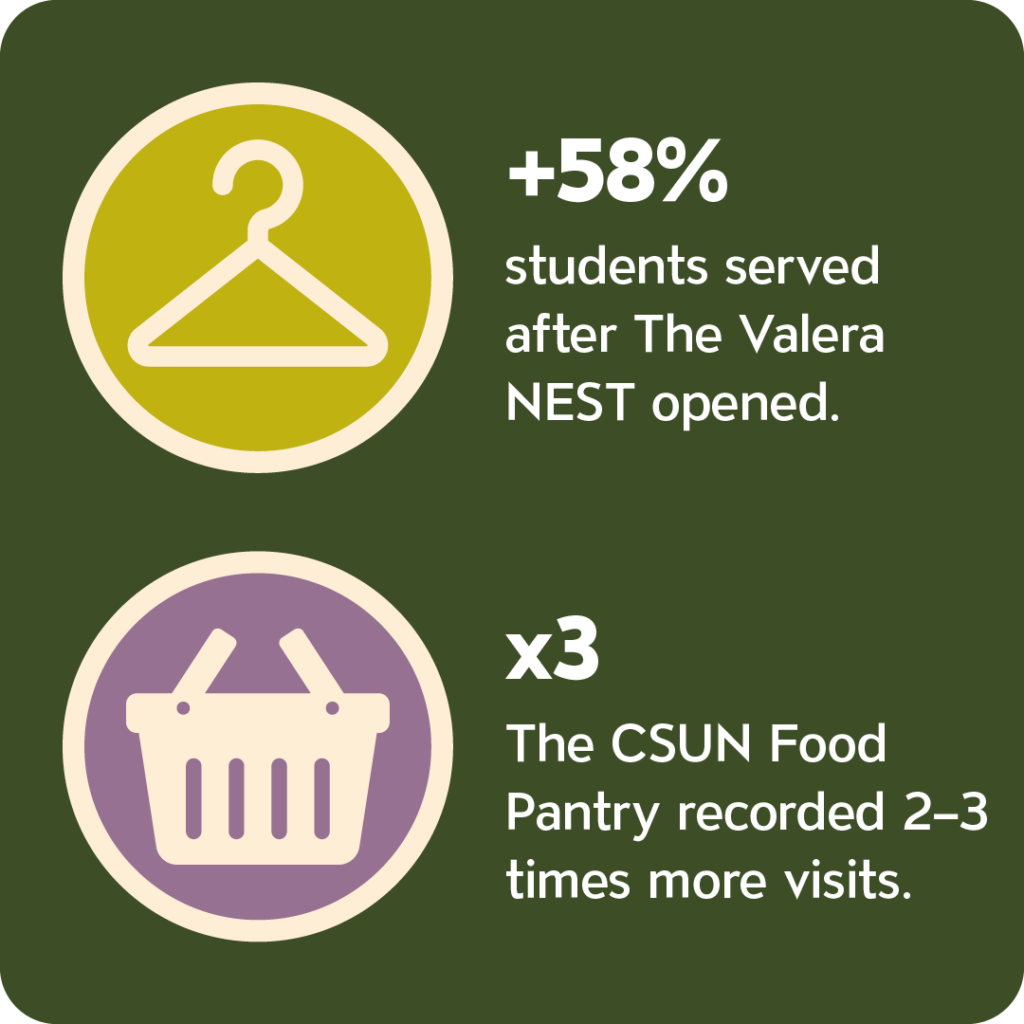
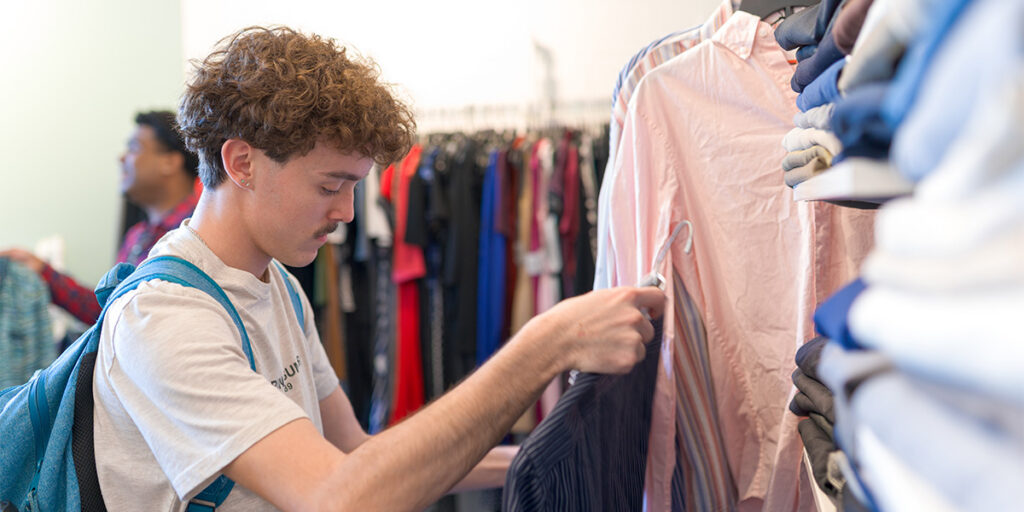
Operated by the Career Center, Matty’s Closet served 58% more students.
Operated by the Basic Needs Office, the CSUN Food Pantry recorded 2–3 times more visits than at their previous respective locations on campus.
These early measures reflect a promising beginning, showing that The Valera NEST quickly became an active point of connection for the campus community.
Each interaction offered an opportunity to welcome someone, provide information or help a student take the next step toward support. Together, these interactions created a foundation for the USU’s next cycle of listening.
As The Valera NEST grows, continued assessment will help the team better understand how students experience the space, which services and programs best complement their lives and how their feedback can guide future improvements. In this way, the students who helped imagine the impact of the space can continue shaping what it becomes.
The Promise of The Valera NEST
One building cannot erase food insecurity, housing instability or the stress of pursuing an education while essential needs remain unmet. It can, however, change how a campus responds to students experiencing them.
The Valera NEST centralizes essential resources, but its deepest contribution may be that it makes care visible. Student voices live in its name, its priorities, its walls and the questions that will guide its future. Staff, faculty, campus departments and cultural partners helped listen carefully, interpret responsibly and turn a shared vision into a working reality.
The USU made those contributions traceable. Evidence identified the need. Students gave that need language and direction. Community partners strengthened representation. Collaboration prepared the space to serve. Early activity now points toward the questions that come next.
The Valera NEST was built by listening. To remain worthy of its name, it must keep listening.
The doors are open. The listening continues.
